
Tread Lightly, Photograph Wildly on Sussex Paths
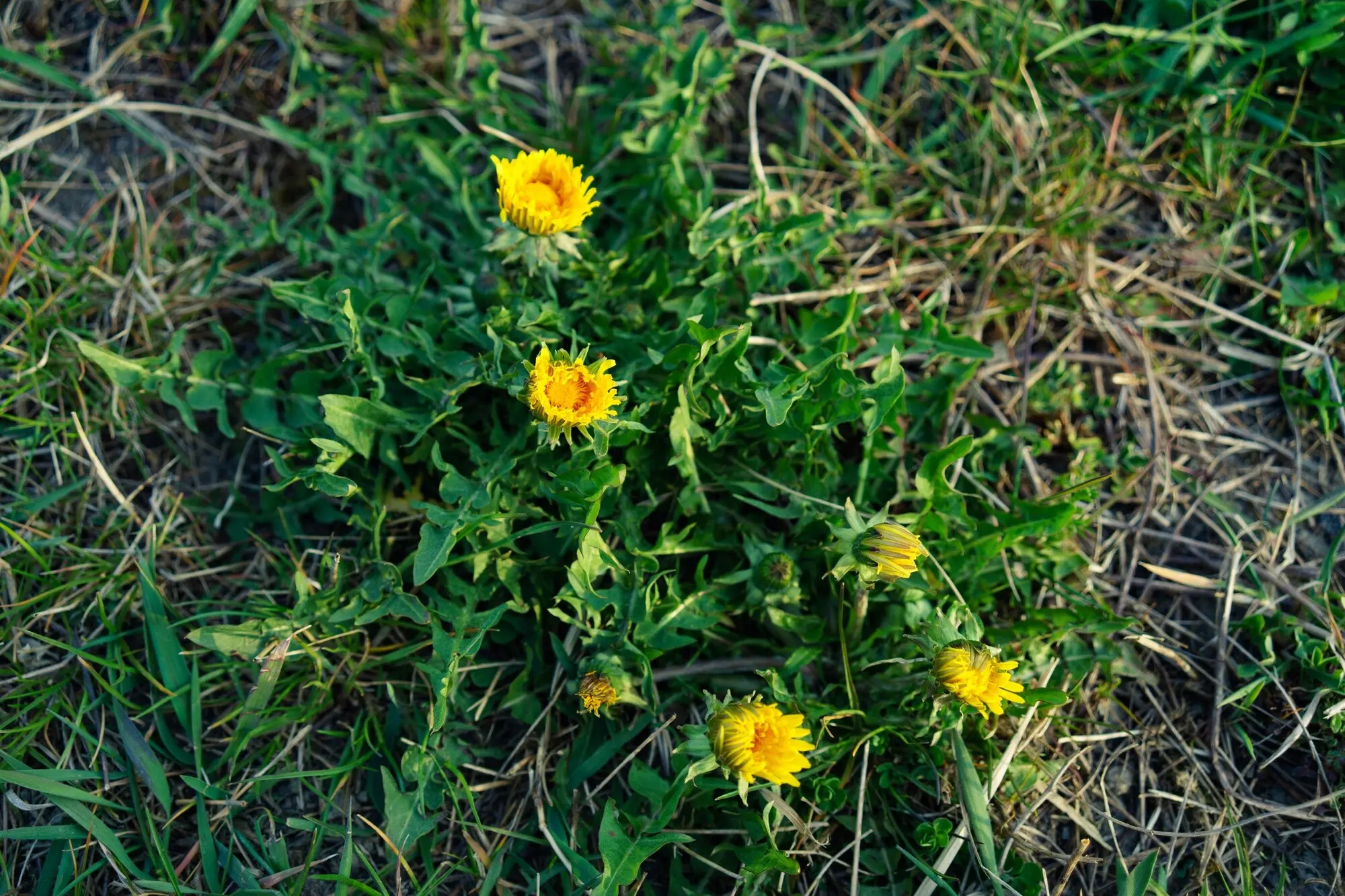
Step into the chalky lanes, cliff-top trails, and meadow edges of Sussex with a conscience as clear as the morning light. Here we explore ethical guidelines for low‑impact wildflower photography on Sussex paths, blending careful fieldcraft, practical gear choices, local knowledge, and heartfelt respect for delicate habitats, pollinators, and people who share these routes. Join in, learn generously, and help every bloom remain uncrushed, unpicked, and undisturbed for those who follow.

Footwork that Protects What You Love

Compose from the trail edge using longer focal lengths rather than stepping into verges. Place tripod legs on firm, already‑compacted ground, and avoid spikes that punch into root zones. Kneel on the path, not among sedges or orchids. Let a beanbag, low platypod, or shoulder stock stabilize the shot while the flowers remain untouched, alive, and ready to greet tomorrow’s pollinators.

Seasonal Sensitivity on Chalk and Coast

Spring and early summer bring bees to cowslips, and rare orchids may rise near Seaford or Cissbury Ring. On windy cliff paths above Seven Sisters, thrift clings to fragile ledges. Give seasonal space, especially during nesting periods for skylarks and when orchid rosettes are vulnerable. If a composition requires intrusion, it simply is not the right composition today—choose compassion over conquest.

Reading a Landscape’s Hidden Boundaries

Chalk grassland looks spacious yet functions like a tight tapestry of microhabitats. A single bootprint can crush months of growth or open a channel for erosion. Treat taped areas, desire lines, and muddy shortcuts as red flags. If the verge is already eroding, stand back further. Ethical photography reads subtle boundaries, respects them, and crafts images that honor invisible threads holding beauty together.

Low-Impact Gear Choices

Choose tools that let you keep distance, minimize contact, and adapt to uneven paths without widening them. A 90–105mm macro, telephoto with extension tubes, and a lightweight support system can deliver intimate detail from safe footing. Favor solutions that stabilize from the path surface, shape light gently, and never require moving stems, picking leaves, or anchoring gear into living soil.

Lenses that Respect Distance

A longer macro or a telephoto plus close‑up diopter lets you frame delicate blooms from the footpath. Extension tubes achieve closer focus without stepping in. Focus limiters speed acquisition so you spend less time hovering. With distance comes safety for flowers, fewer accidental kicks, and less shade cast over visiting butterflies and bees intent on their brief, essential foraging windows.

Stability without Scars

Tripod discipline is ethical discipline: keep legs narrow and on durable surfaces, avoid spikes, and never wedge feet into turf or bryophyte cushions. Consider a monopod, beanbag on a rock, or a low plate to maintain a tiny footprint. Balance shutter speed and ISO generously. A crisp frame gained with respect is always sharper than a shot earned by crushing living texture.

Gentle Light Shaping

Use a small diffuser or translucent umbrella from the path, angling carefully to avoid shading pollinators. Reflectors should never rest on plants or be pinned into soil crusts. Flash, if used, must be diffused, minimal, and brief, avoiding repeated bursts at resting insects. Golden backlight and overcast softness often remove the need for intervention, honoring the scene’s existing calm.

Composition Without Disturbance

Let creativity be guided by restraint. Compose through openings, layer with distant blooms, and exploit perspective from the path using tilting screens and right‑angle viewfinders. Embrace focus stacking rather than pushing closer, and accept wind‑blurred poetry when conditions demand. The challenge becomes a game of patience and timing, proving that artistry flourishes when boundaries are lovingly observed.

Knowledge, Permissions, and Privacy

Research with Conservation in Mind

Read site guides, seasonal species notes, and tide times for coastal stretches. Study Nature First principles and local SSSI citations to understand what’s protected and why. Identify look‑alike orchids to avoid accidental disturbance during searches. When in doubt, assume sensitivity and photograph what you find from lawful ground, turning curiosity into guardianship as you refine your field priorities.
Permissions, Signs, and Simple Courtesy

Read site guides, seasonal species notes, and tide times for coastal stretches. Study Nature First principles and local SSSI citations to understand what’s protected and why. Identify look‑alike orchids to avoid accidental disturbance during searches. When in doubt, assume sensitivity and photograph what you find from lawful ground, turning curiosity into guardianship as you refine your field priorities.

Privacy, Geotags, and Rare Species

Read site guides, seasonal species notes, and tide times for coastal stretches. Study Nature First principles and local SSSI citations to understand what’s protected and why. Identify look‑alike orchids to avoid accidental disturbance during searches. When in doubt, assume sensitivity and photograph what you find from lawful ground, turning curiosity into guardianship as you refine your field priorities.

Early Starts, Softer Footprints

Arrive before footfall increases to claim stable spots on the path and work unhurried. Dew‑beaded petals invite macro magic without interventions. With fewer passersby, you can manage gear tidily and keep to hardened ground. The soft light flatters petals and protects shadows for pollinators, delivering images that marry serenity, color fidelity, and a footprint as gentle as mist.

Wind Wisdom Without Windbreaks

Skip improvised windbreaks that crush vegetation. Instead, seek natural shelter behind stiles, fences, or hedges while remaining on the path. Increase ISO, shorten shutter speeds, and time exposures to lulls. Embrace intentional blur when gusts persist. Let movement narrate the chalk breeze rather than silencing it with barriers that trade living texture for fleeting sharpness.

Rain, Mud, and Path Integrity

Wet days multiply impact: mud widens paths as boots skirt puddles. Wear gaiters and accept splashes so you can stay centered. Use lens hoods, microfiber cloths, and simple covers instead of stepping off for shelter. Rain‑washed colors glow, and reflections sing—if you keep your stance disciplined, the scene remains whole for the next appreciative visitor under clearing skies.

Sharing Responsibly and Building Community

Photography shapes behavior. Use captions to highlight restraint, credit reserves, and celebrate native species without exposing fragile locations. Share tips that reduce disturbance, invite respectful questions, and welcome differing experiences. Encourage pledges to tread lightly, subscribe for seasonal guidance, and report sensitive sightings privately to wardens. Community grows strongest where beauty is paired with care and conversation.

Captions that Teach by Example

Describe how you stayed on the path, chose a longer lens, or waited for wind to settle. Mention that no plants were moved, picked, or pinned. Explain why geotags were withheld. Viewers learn quietly from transparency, adopting habits that keep Sussex pathways vibrant, chalk slopes intact, and wildflower communities thriving well beyond a single photograph’s applause.

An Anecdote from the Downs

Near Seaford Head, a single bee orchid tilted in onshore breeze. I stepped back, swapped to a longer focal length, and waited three lulls to stack gently from the path. No turf touched, yet detail bloomed. That patience felt like gratitude, and the image now reminds me that reverence composes better than any hand could rearrange.

Telimexodexolento
Privacy Overview

This website uses cookies so that we can provide you with the best user experience possible. Cookie information is stored in your browser and performs functions such as recognising you when you return to our website and helping our team to understand which sections of the website you find most interesting and useful.