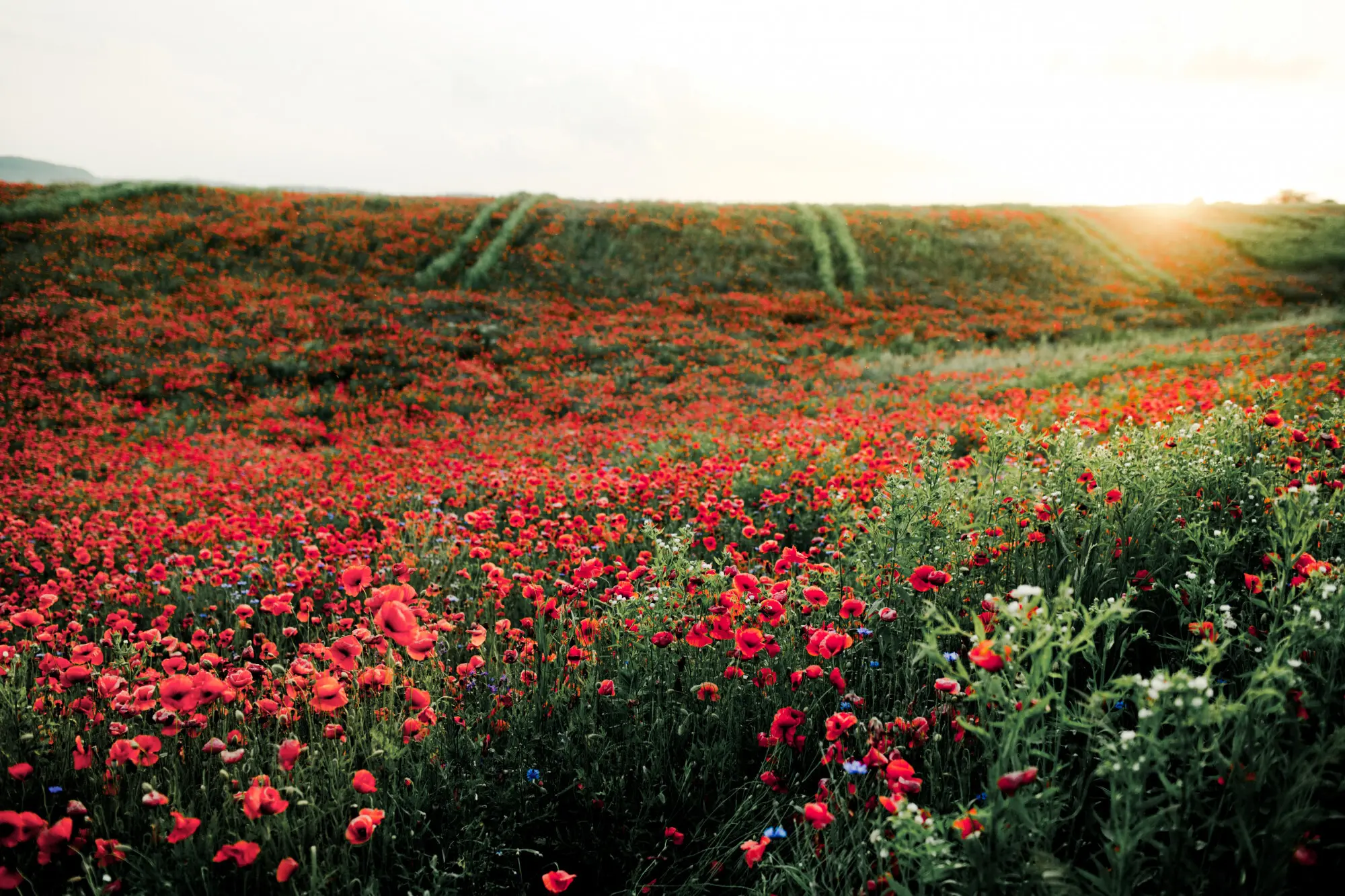
Chasing Wildflower Light Across Sussex

Join us as we explore the Seasonal Bloom Calendar for Sussex Wildflower Trails: When and Where to Photograph, turning months into waypoints for bluebells, orchids, thrift, and heather. Discover precise windows, trusted trails, and gentle fieldcraft that protects habitats while elevating your images. Expect locally grounded tips, heartfelt anecdotes from windblown downs and misted woods, and invitations to share sightings so this living calendar grows with every reader’s careful steps.

Spring Unfurls: Bluebells, Cowslips, and Early Orchids

Bluebells peak when beech canopies are still fresh, letting sifted light paint violets and blues across the forest floor. Visit Arlington Bluebell Walk or Ebernoe Common at sunrise, when air is still and birdsong rises. Backlight through petals, expose carefully for haze, and favor paths or existing clearings. A kneeling perspective with a 70–200 mm lens compresses layers while keeping your boots out of harm’s way and your conscience clear.
Cowslips gather in luminous clusters on breezy slopes like Ditchling Beacon, Levin Down, and Mount Caburn, glowing after dewy nights. Arrive early to catch droplets before they vanish, and let sweeping contours lead the eye toward distant ridge lines. Use a polarizer lightly to tame glare on waxy leaves, and consider focus stacking only when wind is kind. Always stick to trodden lines, as thin soils suffer quickly underfoot.
Early purple orchids surprise along woodland edges and chalky banks, sometimes where you least expect them near Chantry Hill or Castle Hill National Nature Reserve margins. Resist stepping closer if it risks crushing rosettes or companion plants. Instead, extend reach with a telephoto or an extension tube, framing with diagonals of grass and soft blues or yellows behind. Leave precise plant locations unpinned publicly, sharing general areas to protect rare clusters.

Coastal Bloom Waves: May to July Along Chalk and Shingle

Sea thrift and cliff edges at golden hour

Thrift cushions soften chalk ledges above Seven Sisters, where wind carves moving patterns into grasses. Arrive before sunset to scout stable ground well back from sheer drops, then work low for an immersive foreground without risking safety or habitat. A graduated filter or bracketing holds sky detail, while a small reflector warms shadowed blooms. If breeze rises, lean into motion blur, using longer exposures that translate Sussex’s ever‑restless coastline into lyrical streaks of light.

Shingle blues and bee orchids along reserve paths

Rye Harbour’s wide trails thread responsibly through shingle, delivering generous views of viper’s‑bugloss spires, sea kale leaves, and fluttering terns. Occasional bee orchids appear near path verges but remain easily damaged, so compose from distance and never step onto fragile ridges. Embrace graphic contrasts between pebble textures and vertical stems, and use side‑light to carve form. Keep an ear tuned for wardens’ guidance; conservation here thrives because visitors partner in thoughtful restraint.

Sea breezes, long lenses, and safety

Coastal wind is both muse and menace, gifting expressive sway yet robbing sharpness. A 70–300 mm lens isolates blooms while keeping your feet on secure paths, and a monopod adds subtle steadiness without puncturing shingle. Pack layers; sea mists chill quickly after sundown. Never cross fences or approach eroded edges for a marginal angle. Tide tables, headtorch, and a charged phone ensure you leave with images and footprints only, nothing more, nothing less.

High Summer Meadows: Butterflies, Knapweed, and Scabious

July and August pour color into downland meadows, where knapweed and scabious make a sky of purple at your feet. Walk Malling Down, Castle Hill, and Chantry Hill as chalkhill blues and marbled whites lift like confetti. Favor late afternoons when heat eases and insects settle. Blend wide environmental frames with intimate macros to show context and character. Carry water, brimmed patience, and a willingness to wait as clouds sketch softboxes across the hills.

Ashdown Forest sunsets and silver birch silhouettes

Ashdown’s broad ridges invite cinematic frames where heather plates the land and birches punctuate the sky. Scout a gentle rise with clear sightlines, then wait as sun sinks and rim light kisses tiny bells. A small step‑stool opens new angles without leaving paths. Expose for highlights, letting shadows pool into atmosphere. As night drawls in, linger for cobalt hour when magenta persists, and pair a slow shutter with wind’s whisper for velvet swathes of tone.

Iping and Stedham: a mosaic of color and texture

These sister commons mix heather, gorse, and sandy scrapes into endlessly varied scenes. Follow waymarked trails to find open glades framed by hummocks and pale paths. Use layering: foreground heather, mid‑ground gorse, distant tree line, and the sky’s gentle gradient. Keep to resilient surfaces, especially after rain when peat holds footprints. If clouds thicken, lean into mood with cool white balance, translating subdued light into whispering detail rather than chasing sunlight that never fully breaks.

Gorse in winter and storytelling continuity

Gorse blooms through lean months, its coconut‑scented gold bridging seasons when most color has retreated. Photograph it against frost‑dusted bracken for contrast, or isolate a backlit spray to echo summer’s warmth in January air. This continuity stitches your yearly project, linking spring’s bluebells to winter’s resilience. Mind thorns near clothing and camera bags, and remember that a careful sidestep today preserves birds’ cover tomorrow, keeping the cycle intact for images yet to be made.

Autumn Subtleties: Late Orchids, Devil’s‑bit Scabious, and Seedheads

As days shorten, Sussex reveals quieter treasures. Devil’s‑bit scabious paints dew‑heavy pastures in violet dots, and autumn lady’s‑tresses spiral from cropped turf at Lullington Heath and Levin Down. Seek hush at sunrise, using gentle side‑light to reveal textures. Celebrate seedheads, spent grasses, and the palette’s turn toward smoke, copper, and lilac. Frame ecological stories that span bloom to fade, honoring cycles that feed winter birds and set next spring’s color in motion.

Winter Essentials: Evergreen Gorse, Frosted Grasses, and Quiet Paths
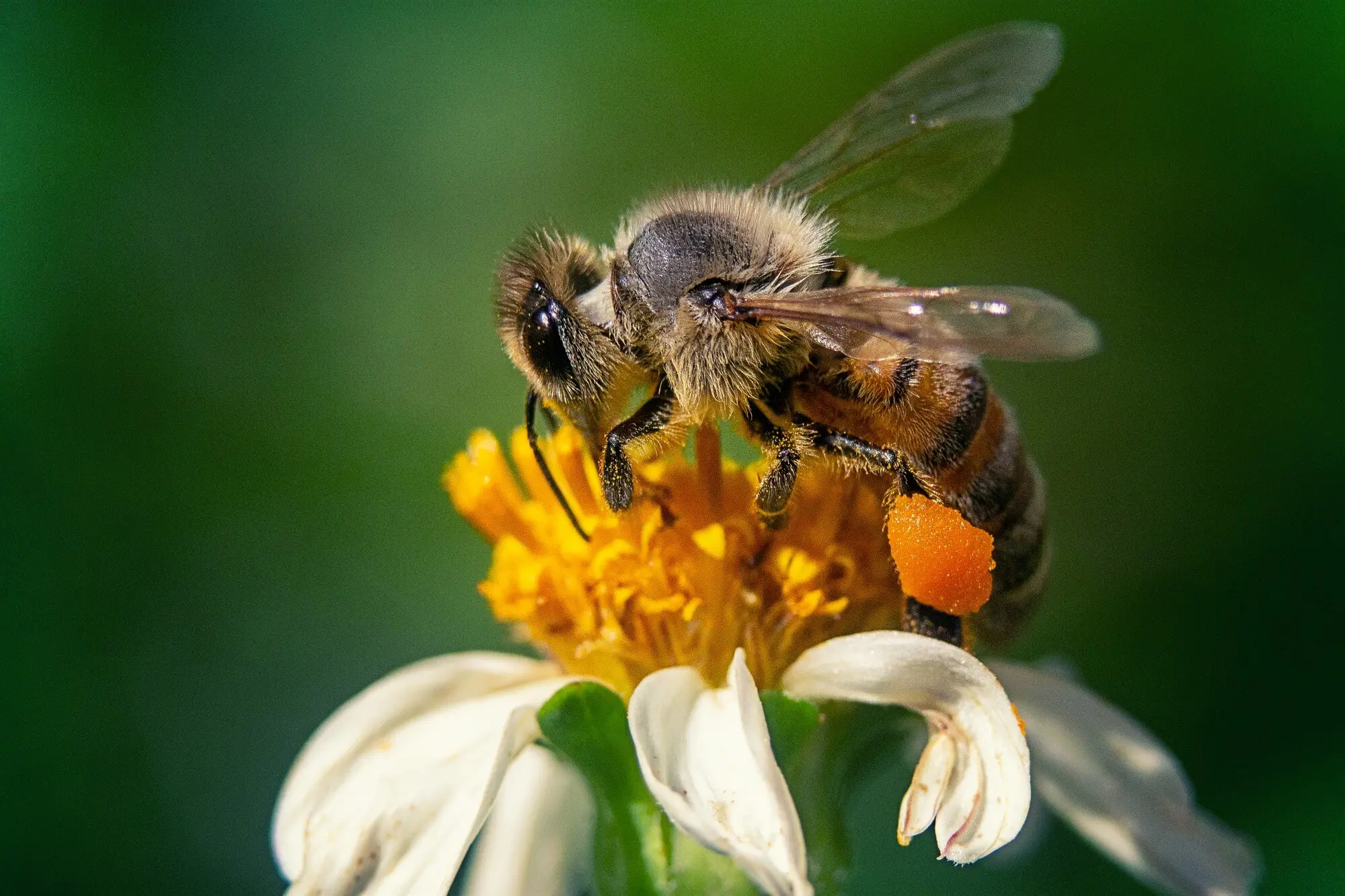
Winter pares Sussex to lines and light, offering clarity that flatters structure. Gorse blossoms even in January, ivy flowers feed hardy insects late, and frost embroiders grasses along rights of way. Work sunrise frost for crystalline edges, then pivot to backlit textures when sun lifts. Pack microspikes for icy chalk, carry a flask, and keep sessions short but deliberate. The year’s calmest weeks repay patience with intimate scenes and restorative stillness.

Planning Toolkit: Calendars, Maps, and Community Sightings

Turn inspiration into reliable journeys with a practical, evolving workflow. Build a month‑by‑month calendar of likely peaks, align it with local weather, sunrise charts, and tide tables, then add flexible backup plans nearby. Use citizen‑science platforms and Sussex Wildlife Trust updates to anticipate bursts without geotagging sensitive finds. Keep notes on wind, pollinator activity, and crowd patterns. Share respectful reports, subscribe for future guides, and help refine this living calendar together.
Telimexodexolento
Privacy Overview

This website uses cookies so that we can provide you with the best user experience possible. Cookie information is stored in your browser and performs functions such as recognising you when you return to our website and helping our team to understand which sections of the website you find most interesting and useful.