Where Wings Meet Wildflowers: Sussex Paths Through a Photographer’s Lens
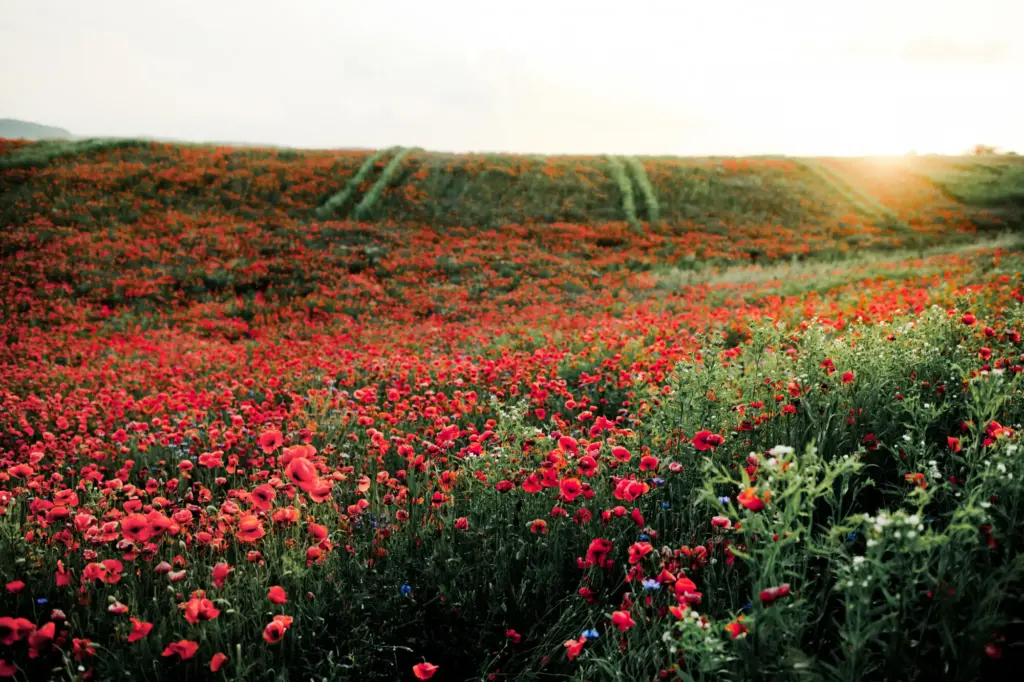
Step into the chalk-bright lanes and hedgerow corridors of southern England, where delicate petals host tireless visitors and every pause hums with possibility. Today we journey into photographing pollinators on Sussex wildflower paths, placing bees and butterflies in attentive, artful focus while honoring their rhythms, habitats, and quiet brilliance.

Chasing Sussex Light Along the Downs

Light on chalk grassland behaves like a companionable trickster, bouncing softly at dawn, sharpening by noon, and shading into silvery calm at day’s end. Mastering these shifts transforms fleeting encounters with bees and butterflies into patient opportunities, elevating each frame with atmosphere, texture, and a sense of place shaped by wind, cliff edges, and sea-mirrored skies.

Approach With Patience and Purpose

Lower your profile, move diagonally, and stop often so your presence blends with ambient movement. Kneel where soil is already compacted, never leaning on flowerheads. Watch for repeated foraging patterns around clustered blooms, then pre-focus along that route, allowing your subject to choose the moment you press the shutter with calm intention.

Listening for Clues, Looking for Shadows
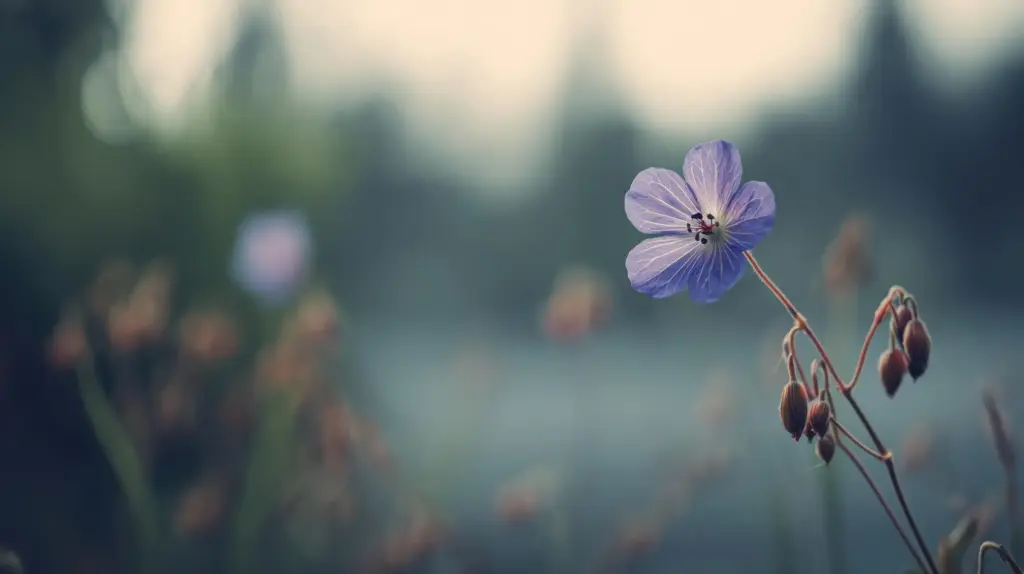
The pitch of a wing hum, the soft thunk of bumblebee landings, and brief shadows grazing petals all forecast action. Use peripheral vision to detect arcs of motion while your focus point rests ahead. This attentive stillness saves steps, reduces disturbance, and invites candid, story-rich frames that never feel pursued or hurried.

Microhabitats That Reward Close Attention
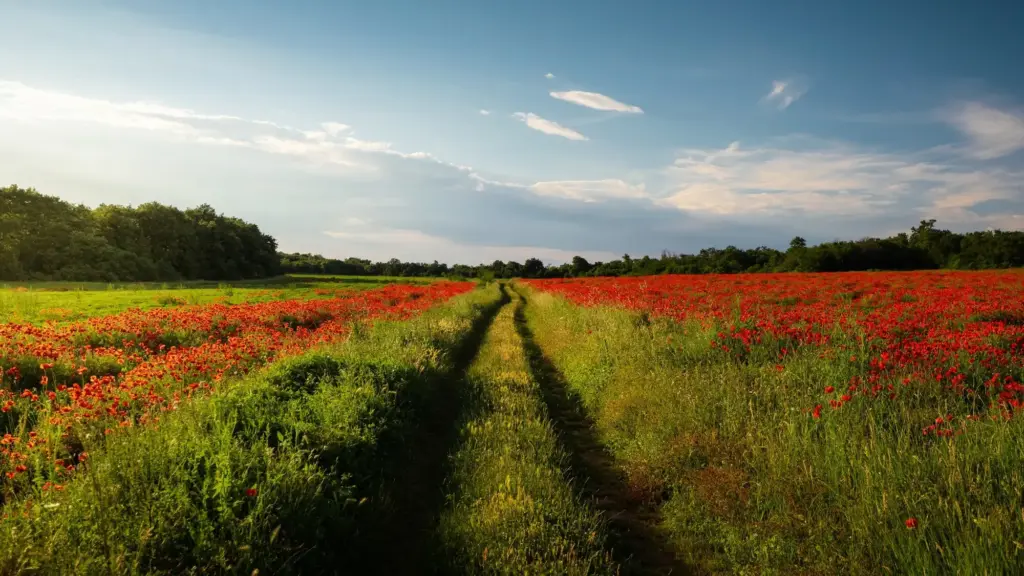
Chalk banks host sun-absorbing niches where butterflies warm quickly and bees linger. Nettled margins can shelter solitary bees, while thyme and scabious invite looping foraging circuits. Sketch a mental map of hotspots, revisit patiently, and you will meet familiar individuals, learning subtle preferences that guide framing, timing, and truly empathetic storytelling.

Thoughtful Gear That Respects Wings and Wildflowers

Pack light, move softly, and let equipment serve the encounter, not dominate it. Tele-macro reach preserves distance, gentle diffusion protects true color, and stable footing prevents harm. Choose tools that help you honor petals, pollinators, and fragile soils while delivering crisp details shaped by intent rather than intrusive fuss.

Lens Choices for Graceful Distance

A 90–105mm macro offers intimacy without crowding, while a telephoto with close-up filter captures behavior from farther back. Prioritize lenses with smooth bokeh that simplify busy hedgerows. Consistency matters more than maximal magnification; reliable working distance keeps bees relaxed, preserves blossoms, and sustains the pace of gentle, observant image-making.

Stability Without the Footprint

Tripods can be cumbersome on narrow paths, so consider a lightweight monopod, ground pod, or even a knee brace to steady breath and framing. Image stabilization helps, yet controlled posture helps more. Keep movement minimal, plant feet on bare patches, and let your camera settle before delicate details slip away.

Light Shaping for Honest Texture

Small diffusers soften wing gloss and pollen sparkles without flattening form. A low-power, well-diffused flash can lift shadows beneath corolla rims, preserving natural contrast. Always check histogram and blinkies, especially on bright chalk. Aim for fidelity to field color, letting storytelling guide subtle highlights rather than theatrical, habitat-distorting punch.

Composing Motion, Quiet, and Place

On Sussex wildflower paths, photographs breathe when composition balances living energy with grounded context. Background slopes hint at chalky heritage, while intentional space lends flight somewhere to go. Blend anticipation, clean geometry, and empathetic focus so wings, petals, and landforms share a single, lyrical conversation within the frame.

Care, Safety, and Conservation on the Path
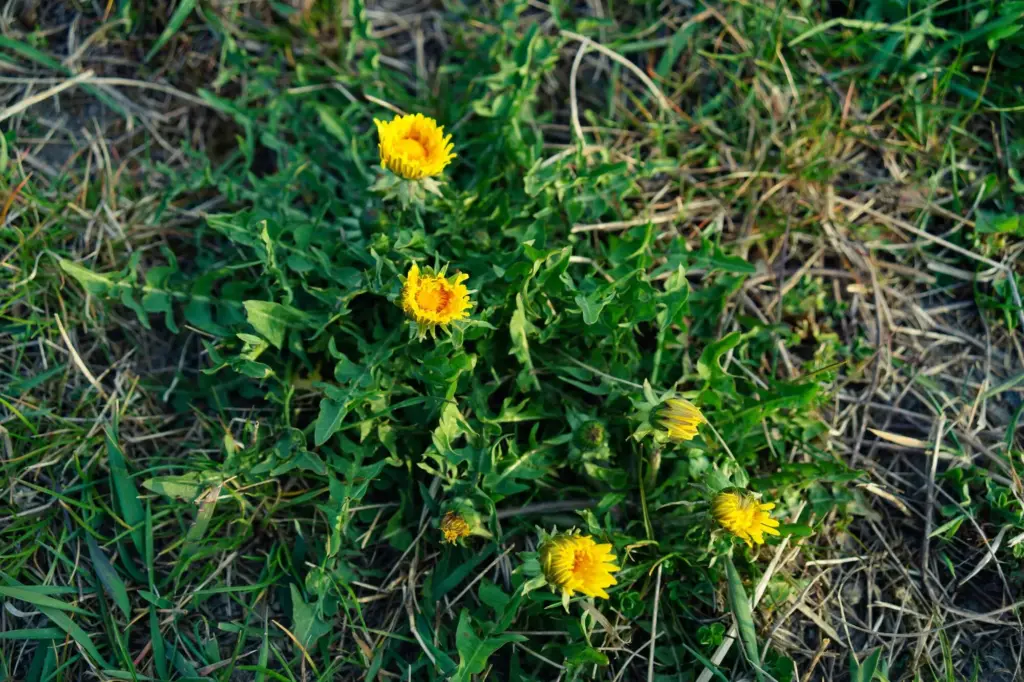
Photography is companionship with nature, not conquest. Stay on trails, avoid nesting sites, and give foragers undisrupted time in sun. Mind cliff edges, ticks, heat, and brambles, and carry water. Share sightings thoughtfully to support conservation while keeping sensitive microhabitats safe from crowds and unnecessary attention.

Editing for Natural Vibrance and Honest Color

Post-processing should feel like brushing pollen dust from a lens, not repainting the meadow. Calibrate your monitor, tame saturation, and respect chalk-bright highlights. Aim for faithful hues on blues and yellows, preserve micro-textures on furry thoraxes, and let subtle local contrast guide quiet, living detail.

Color That Trusts the Field

Begin with white balance matched to dawn or evening light, avoiding neon blooms that misrepresent field notes. Nudge greens toward believability, keep blues dignified, and use selective HSL sparingly. Compare edits to reference frames, ensuring atmosphere and habitat feel consistent across a sequence that tells one truthful story.

Detail, Noise, and Delicacy

Sharpen eyes and critical fur lines first, then gradually back off global edges to protect soft petals. Let luminance noise reduction work gently, preserving faint grain that feels like air. Avoid crunchy halos on antennae; restraint keeps intimacy alive, honoring how quietly these small lives move and shimmer.

Sequencing, Captions, and Sharing

Arrange images to echo a walk: quiet arrival, patient observation, a crescendo of foraging, and evening release. Write captions that credit plants and behaviors, inviting comments, identifications, and local tips. Encourage readers to subscribe, share paths respectfully, and return with stories that strengthen Sussex’s connected, caring community.
Telimexodexolento
Privacy Overview

This website uses cookies so that we can provide you with the best user experience possible. Cookie information is stored in your browser and performs functions such as recognising you when you return to our website and helping our team to understand which sections of the website you find most interesting and useful.