Rolling Into Sussex Wildflower Light

Discover wheelchair-accessible wildflower routes for photography in Sussex, where smooth paths, gentle gradients, and blooming meadows welcome every curious eye. We spotlight level trails, bloom calendars, gear strategies, and real stories so you can focus on craft and joy. Expect practical access notes, composition ideas from chair height, and ways to connect with a supportive community ready to cheer every image and celebrate every turning wheel.

Paths That Welcome Wheels And Wildflowers

Begin with places that pair beauty with comfort, where surfaces roll smoothly and flowers flourish close to the path. These routes offer reliable parking, clear gradients, and nearby facilities, letting you concentrate on light, color, and timing. Each suggestion includes sensory highlights and framing tips, ensuring your visit feels effortless, uplifting, and productive whether you chase soft dawn pastels, shimmering midday greens, or golden evening glow across open Sussex landscapes.

Seven Sisters Meanders: Level Views, Big Skies

Follow the near-level path by the Cuckmere meanders, where chalk grassland edges unfurl with knapweed, scabious, birdsfoot trefoil, and occasional orchids. Firm surfaces keep movement steady, while accessible parking and toilets at the visitor hub support longer stays. Frame sweeping curves with a telephoto for layered abstracts, or capture bee-laden blossoms close to the path. Arrive for golden hour to watch ripples of wind turning meadows into painterly, luminous textures.

Pulborough Brooks: Boardwalks Through Bloom

Glide along RSPB Pulborough Brooks’ accessible loops and boardwalk sections, where spring and summer bring ragged-robin, meadowsweet, and oxeye daisies beside reed-fringed water. Step-free hides and firm trails enable quiet, patient moments with butterflies and damselflies dancing among flowers. Use a silent shutter and moderate telephoto to isolate blooms without disturbance. Friendly staff advise on current conditions, while clear wayfinding ensures you can linger safely at your favorite scented corners.

Reading Access Maps And Symbols

Before setting out, study site maps for surface types, gradient arrows, gate styles, and rest points. Look for accessible toilet icons, step-free hides, and designated bays with transfer space. Pair official pages with recent community reports for real-world context, especially after heavy rain. Save offline maps, mark turnaround spots, and note shaded benches. With expectations aligned, you can choose an itinerary that privileges comfort, spontaneity, and unrushed attention to fleeting flower moments.

Managing Slopes With Smarter Viewpoints

When hills loom, reframe the plan rather than the ambition. Car-park-adjacent viewpoints across the downs often overlook meadows bursting with color, letting you photograph sweeping layers without climbing. Move parallel to slopes to reduce effort, pause where wind is gentler, and use natural platforms or fencing for added stability. By embracing vantage points that come to you, compositions gain elegance, depth, and safety, proving access-savvy choices can elevate both artistry and comfort.

Facilities And Timing Checklist

Confirm accessible toilets, step-free café entrances, and door widths before leaving. Check gate widths, RADAR key requirements, and any temporary closures. Pack water, sun protection, and a light insulating layer for wind over open chalk ridges. Aim for early or late light when colors deepen and crowds thin. Share your plan and ETA, charge your phone, and pin emergency waypoints. With essentials secure, every roll toward a bloom becomes confident, measured, and joyful.

Surfaces, Gradients, And Confidence Planning

Knowing what awaits under your wheels transforms uncertainty into calm anticipation. Sussex sites vary from compact path gravels to wooden boardwalks, with gates, gentle inclines, and occasional narrow pinch points. Reading access descriptions closely helps match energy, chair setup, and companions’ support to the day’s goals. A little homework frees you to engage fully with color, scent, and light, rather than worrying about terrain surprises that could interrupt precious creative flow.

Sussex Bloom Calendar For Remarkable Frames
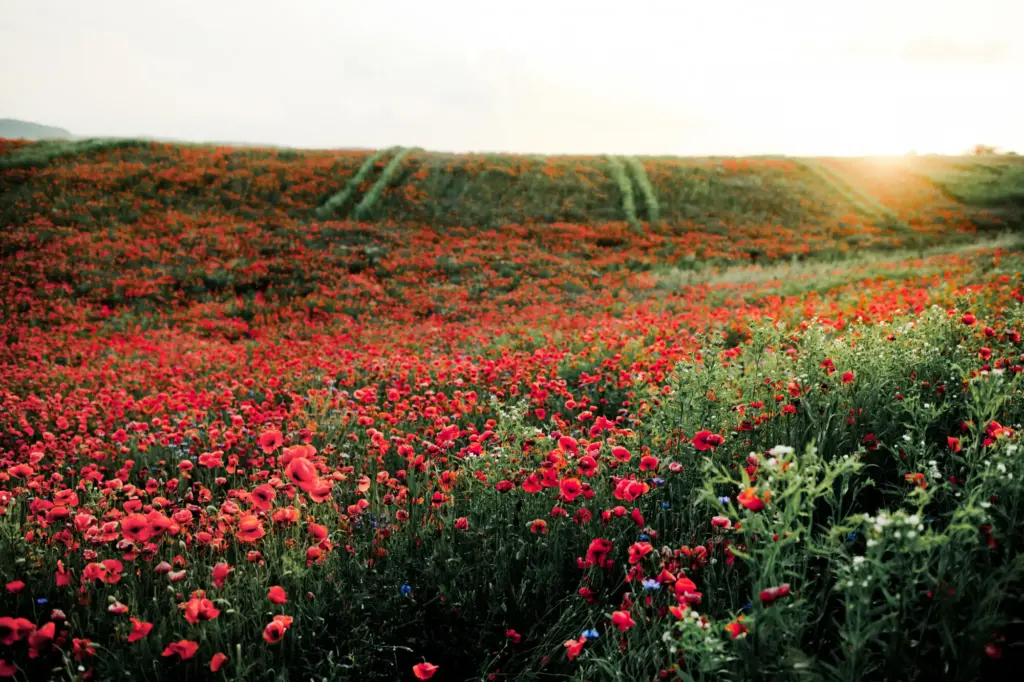
Timing transforms good outings into unforgettable ones. Sussex’s coastal air, chalk soils, and marsh edges create staggered flowering that rewards repeat visits. Early spring brightens woodland borders, high summer ignites chalk grasslands, and late summer carries heather, seedheads, and golden insects. Shape your schedule around color peaks, butterfly surges, and fragrance-filled stillness. With a mindful calendar, your gallery tells a seasonal story where each return deepens familiarity, empathy, and photographic sensitivity.

Photographic Craft From A Wheelchair Perspective
Low-Angle Magic Without Leaving Your Chair

Use a flip screen, angle finder, or tethered phone preview to compose close to ground level. A small articulating arm or rail clamped to an armrest steadies macro shots, while a beanbag on your lap cushions lenses. Keep backgrounds distant for creamy separation, and position parallel to petals for crisp planes of focus. Move inches, not feet, experimenting with micro-changes that dramatically shift color balance, bokeh shape, and storytelling emphasis within the frame.

Beating The Breeze And Harsh Light

Sussex meadows breathe with wind and glare. Stabilize with higher shutter speeds, modest ISO, and in-body or lens stabilization. Angle your chair to make breezes pass sideways, reducing subject sway. A small diffuser or soft reflector clipped to your frame evens contrast without trampling. Seek shade from hedges, clouds, or your own body. Time bursts between gusts, prefocus manually, and fire short sequences to net sharp petals even in playful, moving air.

Layering, Leading Lines, And Background Distance

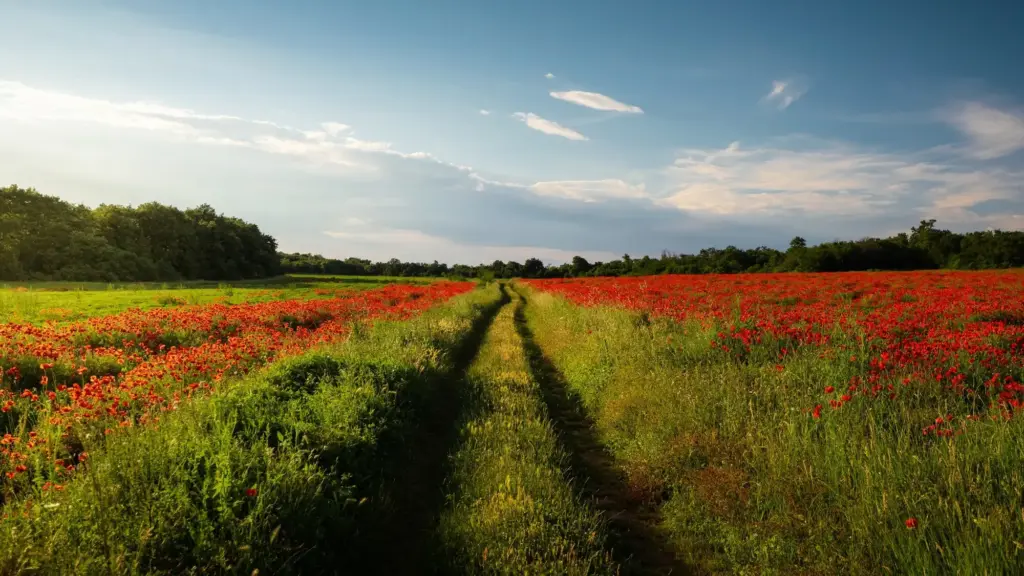
Paths create natural guides: curve your frame along verges, stack foreground tufts, and align midground blooms with distant color washes. Choose backgrounds at least several meters away to soften chaos into painterly gradients. Telephotos compress, wides invite context; consider both. Pan gently with drifting butterflies for motion poetry, or freeze pollinators against blurred stems. Revisit the same cluster as light shifts, letting tiny positional tweaks transform mood, depth, and narrative clarity within seconds.

Protecting Habitats While Enjoying Them

Flourishing flowers demand care. Wheelchair-accessible routes show how thoughtful design and mindful behavior coexist, preserving delicate soils and nectar-rich margins. Photography thrives when meadows remain healthy, insects abundant, and paths respectful. That means celebrating images earned from edges, not footprints pressed into living quilts. When we keep distance, use longer lenses, and honor signage, we protect tomorrow’s shots and ensure everyone—wildlife, walkers, and wheels—feels equally welcomed by Sussex’s generous landscapes.

Stay On Firm Ground And Mind The Margins

Resist the lure of stepping into dense patches; the most vibrant frames often appear right beside the route. Use composition rather than proximity: bend perspective, compress layers, and work diagonals. Never pick orchids or disturb nests. If stems lean onto paths, give them passage. Choose monopods over tripods where space is tight. Gentle presence, light footprints from wheels on firm track, and a patient eye safeguard habitats while still delivering radiant, intimate photographs.

Sharing Space Kindly

Accessible trails are shared by families, runners, and birders. Signal politely, keep to one side, and pause in wider bays for conversations or overtakes. A small bell or cheerful hello prevents surprises at bends. Offer and request help clearly when gates or gradients appear. Your example models inclusion, encouraging others to ask questions, learn about meadows, and respect boundaries. Kindness travels fast along a path, brightening days and opening doors to friendly local guidance.

Weather, Tide, And Emergency Plans

Coastal winds, sudden showers, and glare can turn quickly. Check the Met Office forecast, tide reports for nearby estuaries, and sunrise or sunset times. Pack a thin rain cover for chair electronics, spare layers, and water. Share your what3words location with a friend, keep a small first-aid kit, and note staffed visitor centers. Planning for contingencies creates freedom: creativity flows best when safety, comfort, and navigation are already solved before the shutter clicks.
Lightweight, Adaptive Kit That Works

Prioritize a compact body with in-body stabilization, a sharp mid-telephoto, and a close-focusing prime or macro. Add a quick-release clamp on your armrest, a mini-diffuser, spare batteries within easy reach, and microfiber cloths for coastal mist. Consider a strap that secures gear safely during pushes. Pack only what supports comfort and agility. Fewer, smarter tools keep attention free for watching pollinators, tracking light shifts, and savoring the quiet hum inside blooming air.

Routes To Try Next And How To Share

Build a personal shortlist from Seven Sisters, Pulborough Brooks, and Arundel Wetland Centre, then add estate gardens and level meadow loops across the South Downs fringe. Tag your work with #AccessibleWildflowers, #SussexThroughWheels, and #WildflowerSussex. Submit stories, route notes, and gentle critiques to help others plan. Join our newsletter for monthly bloom windows, access updates, and community galleries. Your images and insights may guide someone toward their first confident, joy-filled roll among flowers.
Telimexodexolento
Privacy Overview

This website uses cookies so that we can provide you with the best user experience possible. Cookie information is stored in your browser and performs functions such as recognising you when you return to our website and helping our team to understand which sections of the website you find most interesting and useful.