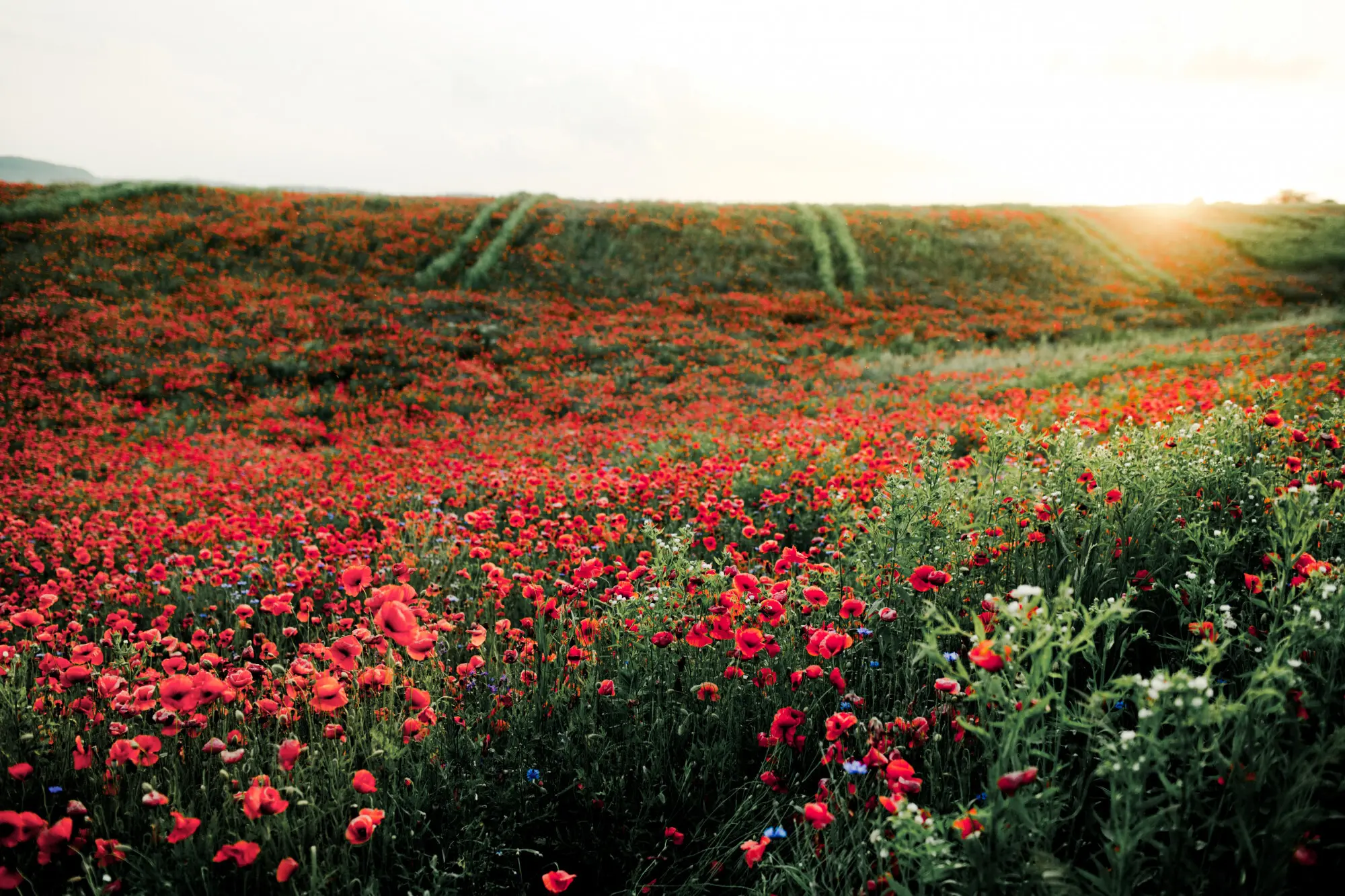
Close-Up Wonders Across the South Downs
Today we dive into macro techniques for capturing Sussex wildflowers on the South Downs, celebrating delicate orchids, scabious, cowslips, and thrift that glow across breezy chalk ridges. Expect practical guidance seasoned with field stories from dawn rambles near Devil’s Dyke and Cissbury Ring, plus tips for steady shots, respectful footwork, and creative light. Share your questions, subscribe for fresh field notes, and tell us where the Downs have surprised you with tiny, unforgettable color.

Finding Flowers Without Guesswork

Success begins before the lens cap comes off. Chalk grassland blooms follow rhythms shaped by wind, elevation, grazing, and soil thinness across the South Downs. Learn how to read slope aspects, check recent grazing, watch local sightings, and plan patient, unhurried walks that reveal orchids at ankle height and vetches tucked between flinty paths, turning chance encounters into repeatable, mindful discoveries.

Backlight and Dew at Dawn

Arrive before sunrise and search for dew hugging petals and hairs along stems. Backlight turns tiny droplets into constellations, while low angles unveil translucency without crushed shadows. Move slowly, adjust a few inches for flare control, and let the sun skim behind the bloom. The Downs’ morning hush lends steadiness, giving you time to refine reflections and coax shimmering halos responsibly.

Diffusion Under High Sun

When midday turns chalk blindingly bright, soften it rather than surrender. A lightweight diffuser, even a thin white scarf, transforms severity into clarity. Angle carefully to avoid flattening contour; combine with a small reflector to lift shadow detail. Work close, meter precisely, and watch petals retain saturated truth. Under diffused light, Sussex scabious and thrift show honest color and forgiving contrast.

Tools That Earn Their Place in the Pack

Lenses, Tubes, and Working Distance

A dedicated macro in the 90–105mm range offers generous space between you and fragile flowers, protecting both subject and bokeh. Extension tubes deepen magnification for small thrift or milkwort without heavy glass. Mind effective aperture at high ratios; compensate exposure thoughtfully. Keep lens hoods handy against crosswind glare, and favor internal focusing designs so your front element stays discreet and steady.

Nailing Focus in Swaying Grass

Manual focus and slight body rock often beat autofocus when flowers breathe with the downslope breeze. Use focus peaking if available, or magnified live view on a low ground pod. Prioritize the leading petal edge or orchid lip, where viewer attention lands first. Back-button focus can help with pre-focus, but commit to micro-adjusting rhythmically as gusts ease for sharp, living precision.

Subtle Flash That Looks Like Sunshine

A diffused, low-power flash can tame motion and deepen color without advertising itself. Mount off-axis, enlarge with a softbox or homemade foam diffuser, and balance with ambient by underexposing background slightly. Aim for a whisper, not a shout, preserving Sussex chalkland atmosphere. Practice on common scabious before approaching rarer orchids, dialing ratios until petals glow naturally, never plastic or startled.

Compositions That Breathe

Macro can easily crowd the frame; the Downs invite space. Explore negative backgrounds, diagonal stems, and gentle leading lines formed by paths or fences beyond focus. Consider context versus intimacy: sometimes a lone bloom sings; sometimes a suggestion of sweeping chalk ridge completes the story. Compose for mood first, technical perfection second, letting Sussex airness linger in every edge.

Advanced Fieldcraft for Pin-Sharp Results

When conditions align, push technique gently further. Field stacking, burst sequences for micro-shifts, and rail-assisted focus can render Sussex wildflowers with astonishing clarity. Yet patience and restraint matter most: choose still air, simple compositions, and minimal frames. Let the story lead your methods so every extra step serves emotion, not just resolution, keeping photographs generous, kind, and true.

Practical Focus Stacking Outdoors

Stacking on breezy chalkland requires discipline. Favor five to ten frames over huge sequences; anchor elbows; breathe between gusts. Start at the front edge, advance focus in tiny, consistent nudges, and review quickly for alignment. Later, blend gently to avoid halos around fine hairs. Done thoughtfully, an orchid lip and neighboring pollen grains appear crisp while backgrounds remain tender and undisturbed.

Handheld Precision at High Magnification
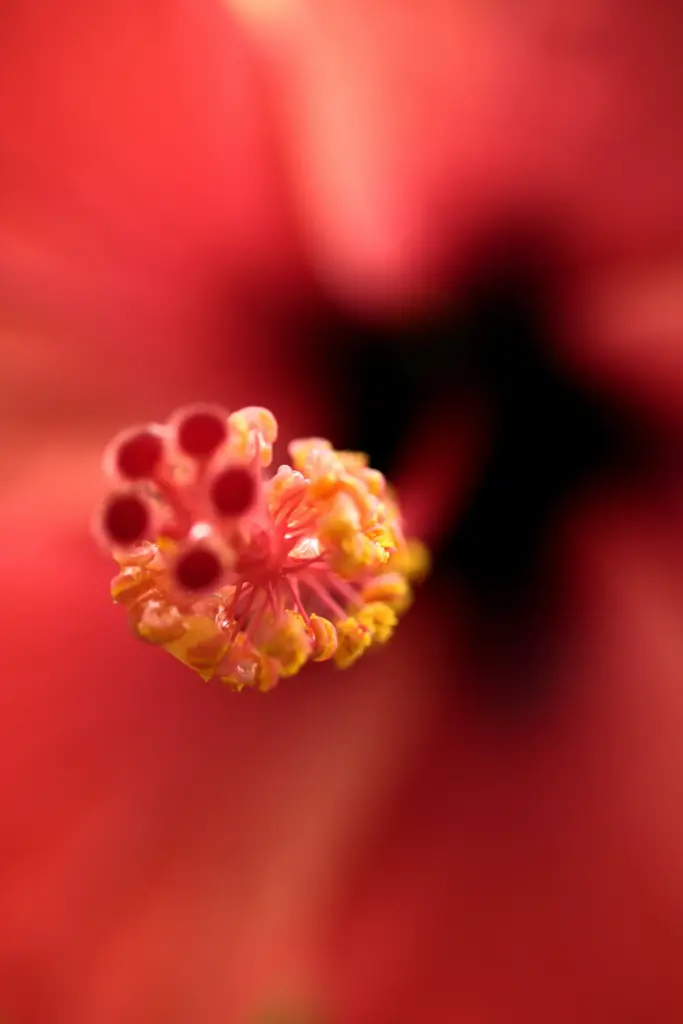
At 1:1 or beyond, micromovements loom large. Brace on a knee, use a ground mat, and let a faster shutter partner with moderate ISO. Rock subtly through focus instead of chasing with the ring. Shoot short bursts as the breeze settles; pick the sharpest frame later. This mindful, athletic stillness turns fragile Sussex blossoms into confident portraits without a tripod’s slow negotiations.

Leaning Into Motion, Not Fighting It

Some days, the South Downs insist on motion. Embrace it with intentional blur: pan gently with a swaying stem, or drag the shutter under a diffuser so color washes into watercolor softness. Anchor one crisp detail—perhaps a calyx edge—so the viewer relaxes. Motion then reads as feeling, a truthful echo of chalkland wind rather than a technical failure to eliminate it.

From Field to Screen: Honest, Lively Images

Processing should honor what the Downs offered. Keep colors believable, whites gentle, and textures breathing. Calibrate screens, compare files against a fresh flower photo from the field, and avoid heavy-handed clarity. Caption with care, credit protected sites thoughtfully, and invite viewers into the story. Ask for comments, encourage local tips, and build a Sussex-loving circle that learns together.
Chalk reflects blue sky and can wash petals cool. Start with a neutral profile, warm subtly, and control highlights so translucent edges stay delicate. Use selective HSL to separate green grasses from magenta orchid tones without cartooning. A gentle S-curve adds body, but leave air in the lights. The goal is fragrance you can almost breathe through the screen.
Remove distractions—stray stems, bright pebbles—sparingly. Noise reduction deserves a light touch at macro distances; preserve petal texture and pollen grit that signal lived reality. Sharpen on edges you want noticed, not everywhere equally. Revisit your field memory: if breeze and warmth felt present, keep subtle movement cues. Let authenticity lead, so Sussex doesn’t become a studio that never existed.
Telimexodexolento
Privacy Overview

This website uses cookies so that we can provide you with the best user experience possible. Cookie information is stored in your browser and performs functions such as recognising you when you return to our website and helping our team to understand which sections of the website you find most interesting and useful.